
Introduction
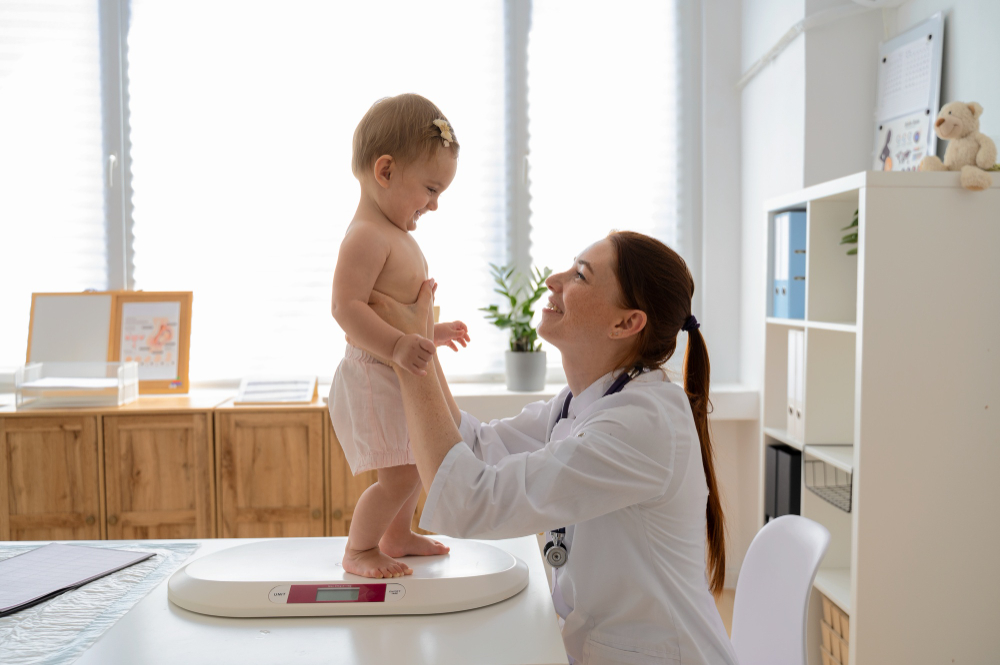
Watching your child grow is exciting. The milestones 1–2 year window is a key time in early childhood development. During these months, children learn many new skills. These changes help shape their future growth. Understanding child development milestones helps parents know what to expect. It also helps spot any concerns early. This guide explains what milestones are and why this age is so important.
What Are Developmental Milestones?
Developmental milestones are skills most children reach by a certain age. These include walking, talking, and playing with others. Each milestone shows progress in how a child moves, thinks, speaks, and interacts. For example, a child may learn to walk or say simple words. The Centers for Disease Control and Prevention (CDC) and World Health Organization (WHO) offer milestone checklists. These help parents track their child’s growth and spot delays early.
Key Milestones in the 1–2 Year Window
Between ages one and two, children make big leaps in many areas. Here are some common milestones for 1–2 year olds:
Every child grows at their own pace. However, these milestones offer a helpful guide for parents and caregivers.
Signs of Typical vs. Delayed Development
Most children reach milestones around the same age. Still, some may be early or late bloomers. It is important to watch for signs of delayed development. Here are some things to look for:
If you notice these signs, talk with your pediatrician. Early help can make a big difference in your child’s growth.
How Parents Can Support Healthy Development
Parents play a big role in early childhood development. There are many ways to help your child reach their milestones:
With support and love, children feel safe to learn and try new things.
When to Consult a Pediatrician
Sometimes, parents worry about their child’s progress. If you have concerns, it is best to ask your doctor. You should consult a pediatrician if:
Early advice can help address issues before they become bigger problems. The American Academy of Pediatrics recommends regular checkups to track growth.
Prevention and Early Intervention Tips
Early action can help children reach their full potential. Here are some tips for prevention and early intervention:
According to the CDC, early intervention services can improve outcomes for children with delays.
Conclusion
The milestones in the 1–2 year window are a special time in your child’s life. By knowing what to expect and how to help, you support healthy growth. If you have concerns about your child’s development, consult a pediatrician at Dr. Suresh Kumar Panuganti’s Clinic for personalized advice.