
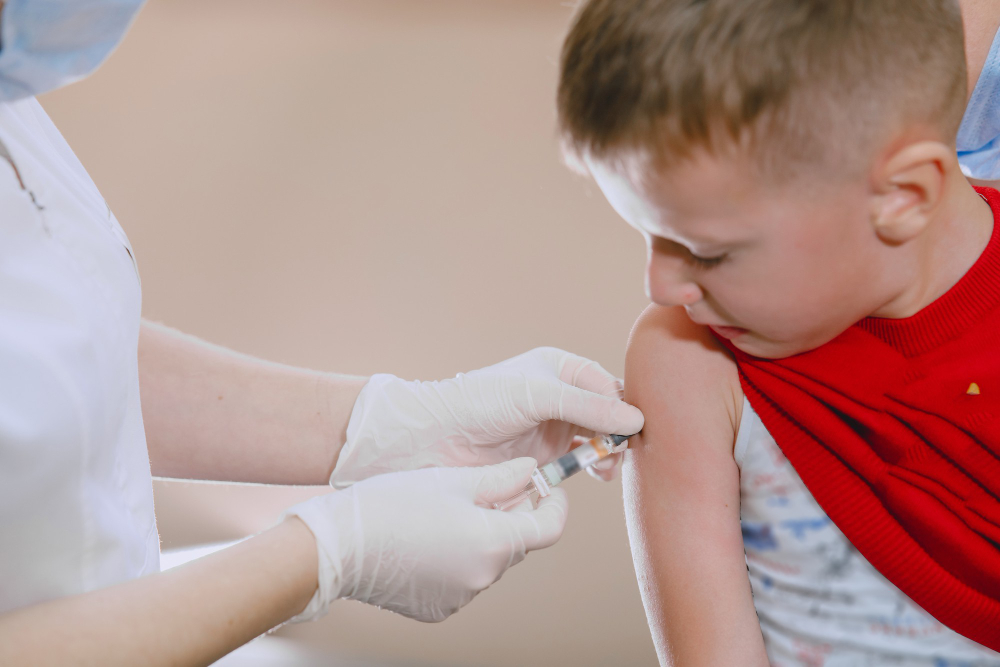
Vaccines in children are a key part of keeping kids healthy. Childhood immunization protects against many serious diseases. Pediatric vaccines help prevent illness and save lives. But why are vaccines important for kids? Many parents have questions. In this blog, you will learn five important facts about vaccines in children. These facts will help you make informed choices for your family.
Fact 1: Vaccines Protect Children from Serious Diseases
First, vaccines shield children from dangerous illnesses. Diseases like measles, polio, and whooping cough can cause severe problems. According to the World Health Organization (WHO), vaccines prevent 2–3 million deaths each year. Because of vaccines, many diseases are now rare. For example, polio has been eliminated in most countries. However, if children are not vaccinated, these diseases can return.
So, keeping up with the vaccine schedule is very important for every child.
Fact 2: Vaccines Are Safe and Well-Tested
Next, many parents worry about vaccine safety. However, vaccines go through strict testing before use. The Centers for Disease Control and Prevention (CDC) and WHO review all vaccines for safety. Side effects are usually mild, such as a sore arm or mild fever. Serious reactions are very rare. For example, severe allergic reactions happen in less than one in a million doses.
Therefore, you can feel confident about giving your child recommended vaccines.
Fact 3: Childhood Immunization Schedules Are Carefully Planned
Another key point is that vaccine schedules are designed for best protection. Health experts decide when each vaccine should be given. The schedule is based on when children are most at risk. For example, babies get some vaccines early because their immune systems are still growing. The CDC and WHO update the schedule as new information becomes available.
As a result, sticking to the schedule helps keep your child healthy.
Fact 4: Vaccines Help Protect the Whole Community
Importantly, vaccines do more than protect your child. When most children get vaccinated, diseases cannot spread easily. This is called herd immunity. Herd immunity protects babies, elderly people, and those who cannot get vaccines for medical reasons. According to the CDC, high vaccine rates have stopped outbreaks in many areas.
So, by vaccinating your child, you help keep everyone healthy.
Fact 5: Vaccines Save Time and Money
Finally, vaccines help families avoid costly illnesses. Treating diseases like measles or mumps can mean hospital stays and missed work. The CDC reports that every $1 spent on vaccines saves over $10 in medical costs. Vaccines also prevent long-term problems, such as hearing loss from mumps or brain damage from measles.
Therefore, vaccines are a smart investment in your child’s future.
Conclusion
In summary, vaccines in children are safe, effective, and vital for good health. They protect your child and the community. For the best results, follow the recommended schedule. If you have questions, consult Dr. Suresh Kumar Panuganti for personalized vaccine guidance.