Introduction
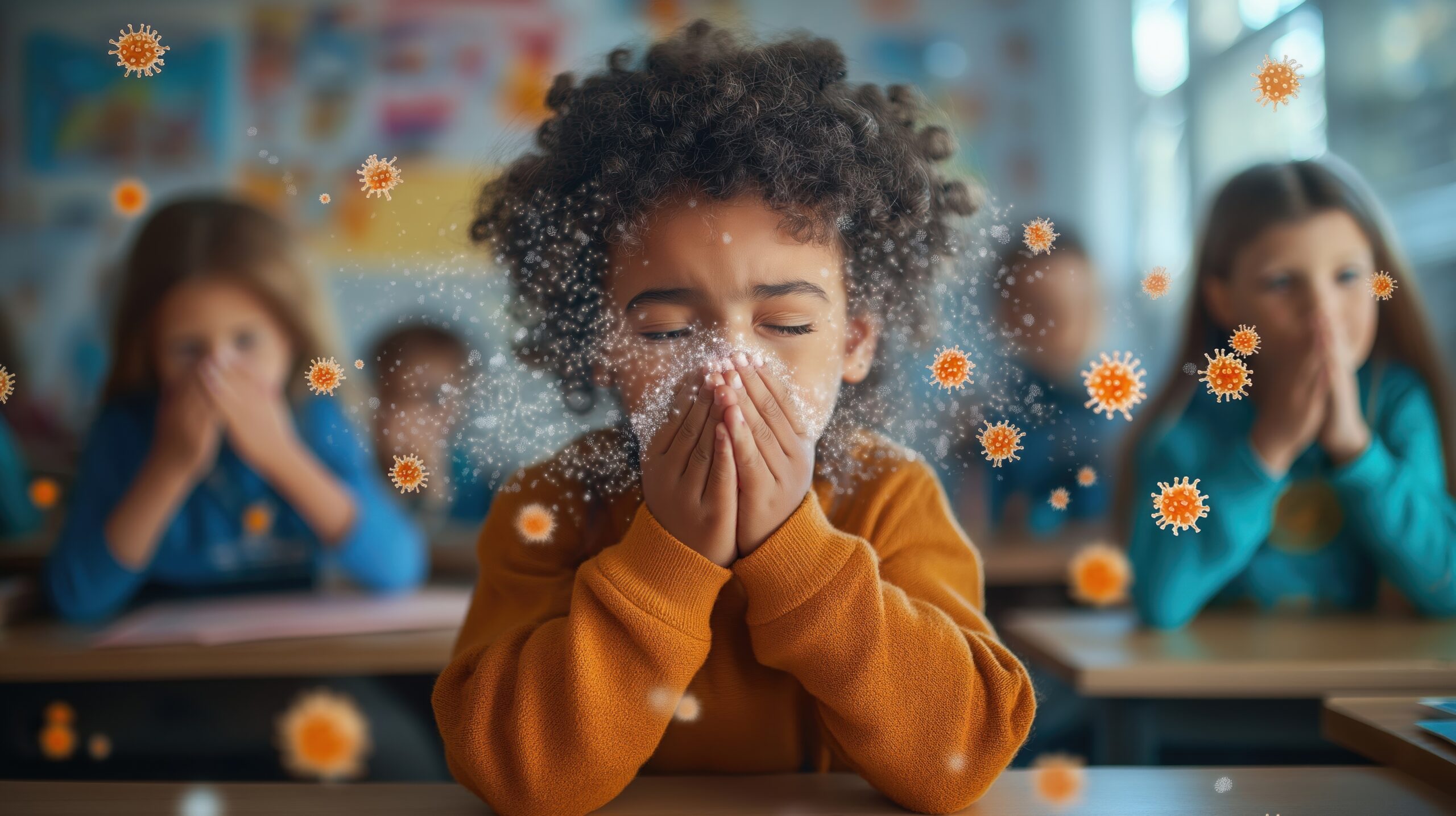
Allergies can greatly affect children’s respiratory health. The impact of allergies on children’s respiratory health is a growing concern for many parents. Childhood respiratory allergies are common and can cause problems like sneezing, coughing, and trouble breathing. Because allergy symptoms in kids often look like other illnesses, it is important to know the signs. Managing allergies in children early can help them stay healthy and active. In this blog, you will learn about the causes, symptoms, and ways to help your child breathe easier.
What Are Allergies?
Allergies happen when the body reacts to things that are usually harmless, like pollen or dust. For children, their immune system sees these things as threats. As a result, their body tries to fight them off. This reaction can cause sneezing, runny nose, or itchy eyes. Sometimes, allergies can also affect the lungs and make breathing harder. Understanding allergies helps parents spot problems early.
Common Respiratory Allergies in Children
Many children have allergies that affect their breathing. Some of the most common respiratory allergies in children include:
In urban areas, air pollution can make these allergies worse. However, children in rural areas may react more to pollen or animal dander. Knowing the type of allergy helps with better care.
Symptoms of Respiratory Allergies in Kids
Children with respiratory allergies may show different signs. Some symptoms are easy to spot, while others are mild. Look for these common allergy symptoms in kids:
Sometimes, these symptoms can look like a cold. But if they last longer than a week or keep coming back, allergies may be the cause.
Causes and Triggers
Many things can trigger allergies in children. For example, pollen from trees and grass is a common cause in spring and summer. Indoors, dust mites and pet hair can also lead to allergy symptoms. In some cases, mold or strong smells can make breathing harder. Urban children may react more to car fumes or smoke. However, rural children may face more pollen or animal dander. Knowing your child’s triggers can help you avoid them.
Diagnosis and When to See a Doctor
If you notice ongoing symptoms, it is important to see a doctor. Early diagnosis helps prevent serious problems. Doctors may ask about your child’s symptoms and family history. Sometimes, they will suggest allergy tests. These tests can show what your child is allergic to. If your child has trouble breathing, wheezing, or swelling, seek help right away. Quick action can keep your child safe and healthy.
Treatment Options for Children
There are many ways to treat childhood respiratory allergies. Treatment depends on the type and severity of the allergy. Common options include:
Doctors may also suggest avoiding triggers. For example, keeping windows closed during pollen season can help. Always follow your doctor’s advice for the best results.
Lifestyle Tips and Prevention
Simple changes at home can help manage allergies in children. Here are some tips to prevent allergy symptoms:
With these steps, you can lower your child’s risk of allergy flare-ups. However, it is still important to watch for symptoms and talk to your doctor if needed.
Long-Term Impact on Children’s Health
Allergies can affect a child’s health over time. For instance, untreated allergies may lead to frequent infections or asthma. Children may also miss school or have trouble sleeping. But with early care and good management, most children can lead healthy lives. According to the CDC, proper treatment helps prevent long-term problems. Therefore, staying alert to symptoms is key.
Conclusion
Allergies can significantly affect a child’s respiratory health, but with proper care, most children can breathe easier and stay active. If you notice allergy symptoms in your child, consult Dr Suresh Kumar Panuganti for personalized guidance on managing your child’s allergies.