
Introduction
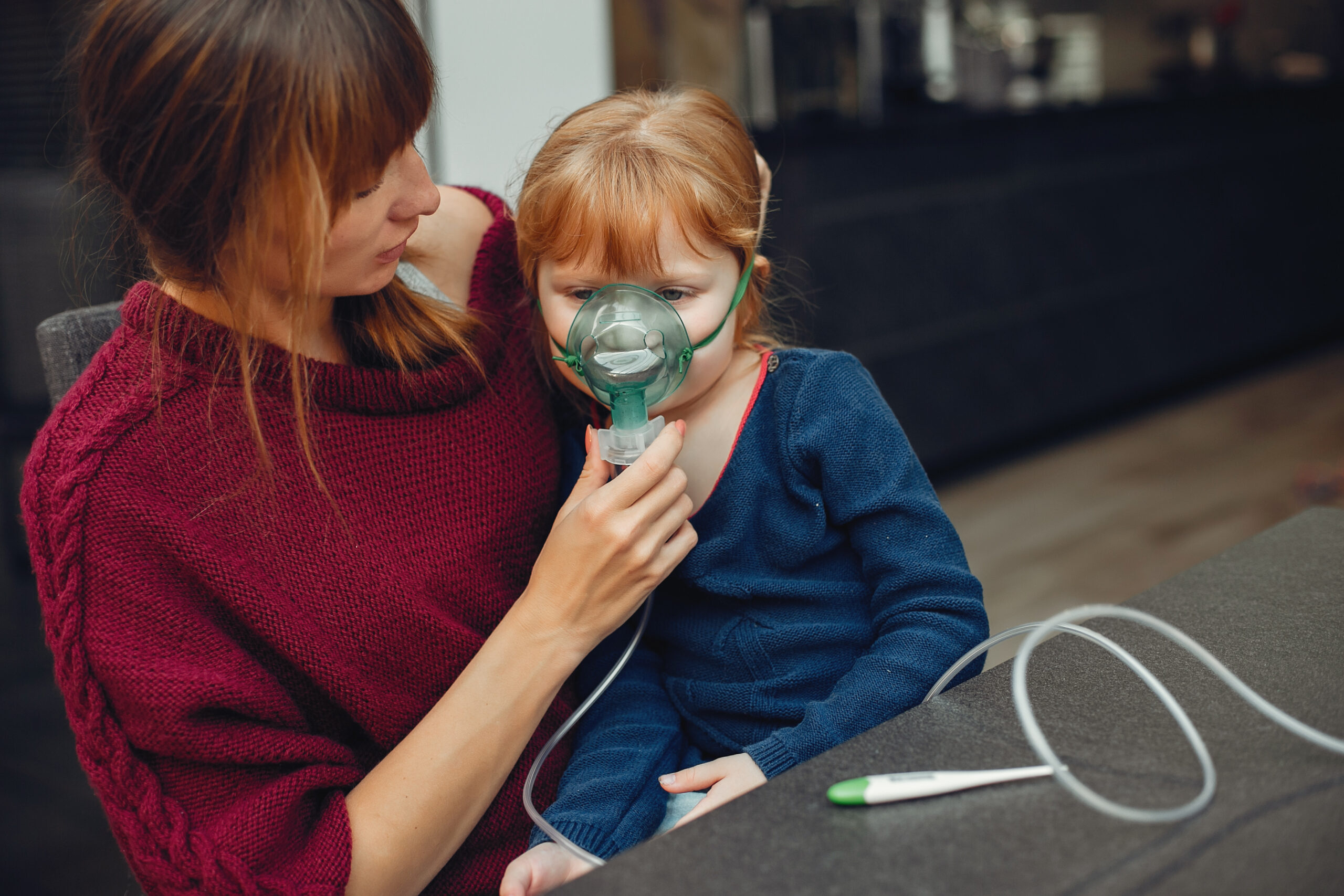
Respiratory infections in kids are very common. These illnesses affect the nose, throat, or lungs. Early identification is important because it helps children get the right care quickly. When parents know the signs, they can act fast. This guide will help you understand how to identify respiratory infections in children and what steps to take.
Common Symptoms
Children with respiratory infections often show clear signs. However, symptoms can vary from mild to severe. Look for these common signs of respiratory illness in children:
Sometimes, children may also have headaches or mild body aches. But not every child will have all these symptoms.
Causes and Risk Factors
Most respiratory infections in kids are caused by viruses. For example, the common cold and flu are viral. Sometimes, bacteria can also cause these illnesses. Children are more likely to get sick because their immune systems are still developing. In addition, certain factors increase the risk:
Because kids touch their faces often, germs spread easily. Therefore, knowing the causes helps you protect your child better.
How to Identify Respiratory Infections at Home
Parents can spot signs of respiratory infection in a child by watching for changes in behavior and breathing. Here is a quick guide to help you:
If you see several of these symptoms, your child may have a respiratory infection. But mild symptoms often improve with rest and fluids at home.
When to Seek Medical Help
Sometimes, respiratory infections can become serious. You should seek medical help right away if your child:
In these cases, quick action is important. Call your doctor or go to the nearest clinic for help.
Prevention Tips
While you cannot prevent every illness, you can lower the risk of respiratory infections in kids. Here are some simple steps:
By following these tips, you help keep your child healthy and safe.
Conclusion
To sum up, knowing how to identify respiratory infections in kids is key for parents and caregivers. Early action can make a big difference. If you notice any concerning symptoms, consult Dr. Suresh Kumar Panuganti for personalized advice.