
What Is Screen Time?
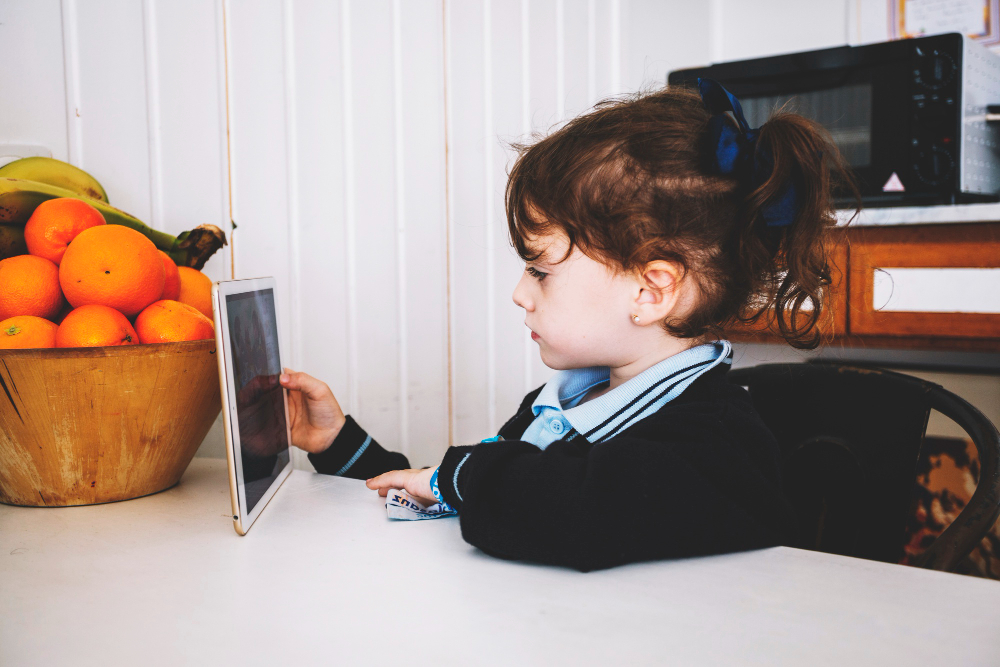
Screen time means the amount of time a child spends using devices with screens. These include TVs, computers, tablets, smartphones, and gaming consoles. Today, children use screens for learning, playing, and socializing. However, not all screen time is the same. For example, watching educational videos is different from playing video games. Because screens are everywhere, it is important to understand their impact on child development.
How Screen Time Affects Child Development
Screen time and child development are closely linked. Too much screen time can affect children in many ways. Let’s look at the main areas:
According to the World Health Organization (WHO) and the American Academy of Pediatrics, healthy screen time for kids is important for their growth.
Recommended Screen Time Guidelines by Age
Experts offer clear screen time guidelines for children. Following these can help support healthy development:
Because every child is different, these are general guidelines. Parents should adjust based on their child’s needs.
Signs of Excessive Screen Time in Children
Sometimes, it is hard to know if your child is spending too much time on screens. Watch for these signs:
If you notice these signs, it may be time to review your child’s screen habits.
Tips for Parents to Balance Screen Time and Healthy Development
Finding the right balance is possible. Here are some tips to help manage screen time and child development:
Because children learn by example, your habits matter too.
Strategies for Creating a Screen-Smart Home Environment
Creating a screen-smart home helps children use technology wisely. Try these strategies:
With these steps, you can make your home a healthier place for your child’s growth.
Prevention and Lifestyle Guidance
Balancing screen time and child development also means encouraging a healthy lifestyle. Here’s how you can help:
Because healthy habits start early, it is never too soon to guide your child.
Conclusion
In summary, screen time and child development are closely connected. While screens are part of modern life, finding the right balance is key. By following expert guidelines and using simple strategies, you can help your child grow up healthy and happy. For personalized advice on managing your child’s screen time, consult the best pediatrician Dr Suresh Kumar Panuganti.