
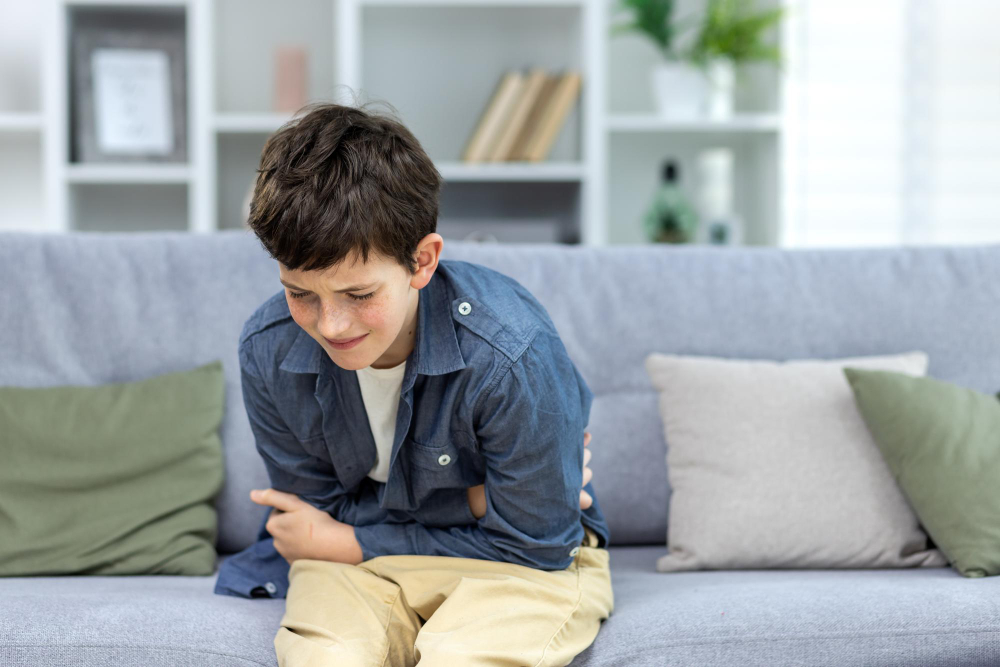
What Is Diarrhea in Children?
Diarrhea in children means having loose or watery stools more often than usual. Often, this condition lasts a few days and goes away on its own. However, sometimes it can last longer or cause problems. Because children lose fluids quickly, diarrhea can lead to dehydration. Therefore, it is important for parents and caregivers to watch for signs and act quickly.
Common Causes of Diarrhea in Children
Many things can cause diarrhea in children. Knowing the cause helps you choose the best care. Here are some common reasons:
Recognizing Symptoms and Warning Signs
Most cases of diarrhea in children are mild. Still, it is important to watch for warning signs. Early action can prevent serious problems. Look for these symptoms:
But if your child has blood in the stool, high fever, or seems very weak, seek medical help right away.
How Is Diarrhea Diagnosed?
Doctors usually ask about your child’s symptoms and recent activities. Sometimes, they may check a stool sample to find the cause. In most cases, tests are not needed unless the diarrhea is severe or lasts longer than a few days. However, if your child has traveled recently or has other health problems, more tests may be needed.
Treatment Options for Diarrhea in Children
Most children get better with simple care at home. But, it is important to keep your child hydrated. Here are some steps you can take:
Sometimes, your doctor may suggest medicine if a bacterial infection is found. However, do not give over-the-counter anti-diarrheal medicines to children unless your doctor says it is safe.
When to Seek Medical Help
Although most cases are mild, some signs mean you should call a doctor. Watch for:
If you notice any of these, contact your pediatrician right away.
Tips for Prevention and Maintaining Hydration
Preventing diarrhea in children is possible with good habits. Here are some tips:
To keep your child hydrated, offer fluids often. Oral rehydration solutions are best if your child is losing a lot of fluids.
Lifestyle and Dietary Guidance for Parents
While your child recovers, simple changes can help. For example, offer small meals more often. Choose bland foods like rice, applesauce, or toast. Avoid fatty, spicy, or sugary foods until your child feels better. If your child is breastfeeding, continue as usual. For formula-fed babies, do not water down the formula. Always follow your doctor’s advice for feeding during illness.
When to Consult a Pediatrician
Sometimes, home care is not enough. If you are worried or if your child is not improving, call your pediatrician. Early help can prevent serious problems. Remember, each child is different. Therefore, it is always best to seek advice if you are unsure.
Conclusion
Diarrhea in children is common, but it can be serious if not managed well. With good care, most children recover quickly. However, always watch for warning signs and keep your child hydrated. Consult Dr. Suresh Kumar Panuganti for personalized advice if your child has diarrhea or if you have concerns about their health.