What Are Headaches in Children?
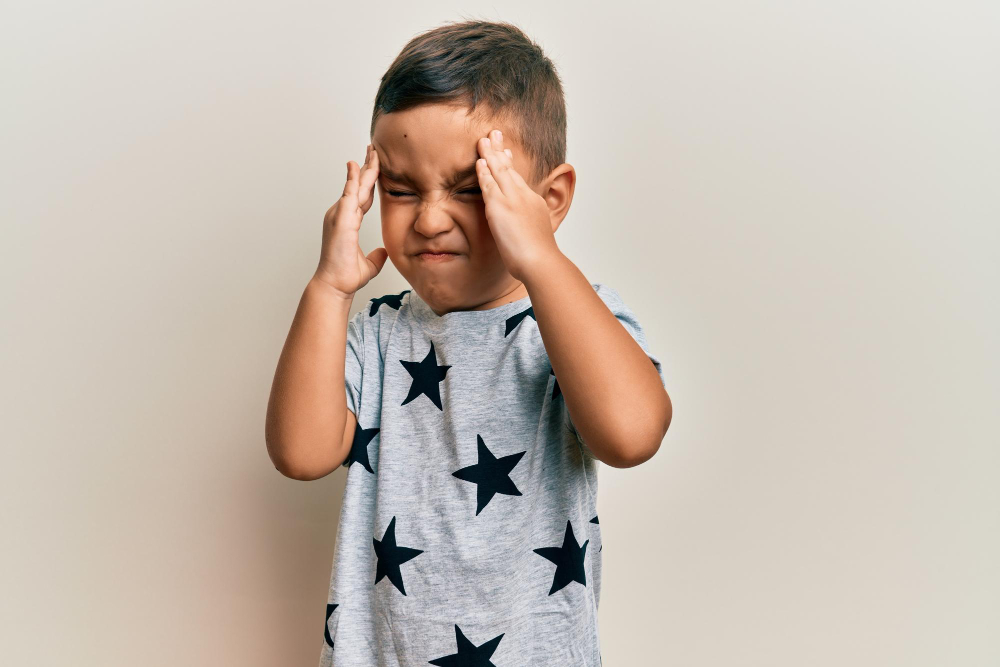
Headaches in children are common and can affect kids of any age. Sometimes, these headaches are mild and go away quickly. Other times, they can be strong and last longer. Because children may not always describe their pain well, it is important for parents to watch for signs. Early care can help your child feel better and prevent future problems. Headaches in children can have many causes, but most are not serious. Still, knowing the signs and when to seek help is important.
Common Symptoms
Children may show different symptoms when they have a headache. For example, some may complain of pain in their forehead, while others may feel it at the back of the head. In addition, kids might not always say they have a headache. Instead, they may show other signs.
Sometimes, headaches can also cause dizziness or blurred vision. If your child has any of these symptoms, it is a good idea to watch them closely.
Main Causes
There are many reasons why children get headaches. Often, the cause is not serious. However, understanding the main causes can help you support your child. Some common causes include:
Rarely, headaches in children can be a sign of a more serious problem, like a brain infection or tumor. But most headaches are not caused by these conditions.
How Headaches Are Diagnosed
Doctors use several steps to find out why a child has headaches. First, they ask about the child’s symptoms and medical history. Next, they may do a physical exam. Sometimes, doctors ask about family history, since headaches can run in families. In many cases, no special tests are needed. However, if the headaches are severe or unusual, the doctor may order tests such as:
Most of the time, doctors can find the cause without many tests. But if your child’s headaches are getting worse or happen often, it is important to see a doctor.
Treatment Options
Treating headaches in children depends on the cause and type of headache. For mild headaches, simple steps at home can help. For example, resting in a quiet, dark room may ease pain. Drinking water and eating regular meals can also help. Over-the-counter pain medicine, such as acetaminophen or ibuprofen, may be used if your doctor says it is safe. However, always follow the doctor’s advice on medicine.
For frequent or severe headaches, your doctor may suggest other treatments. Sometimes, counseling or therapy can help if stress is a trigger. In rare cases, prescription medicine may be needed.
Lifestyle Tips and Prevention
There are many ways to help prevent headaches in children. Making small changes at home can make a big difference. For instance, keeping a regular sleep schedule helps. Eating healthy meals and snacks is also important. Here are some tips to reduce headaches:
Keeping a headache diary can also help. Write down when headaches happen and what might have caused them. This information can help your doctor find patterns and suggest better treatments.
When to See a Doctor
Most headaches in children are not dangerous. However, some signs mean you should call a doctor right away. For example, seek help if your child:
If you are ever unsure, it is always better to check with your doctor. Early care can prevent serious problems and help your child feel better.
Conclusion
Headaches in children are common and usually not serious. Still, they can cause discomfort and worry. By knowing the symptoms, causes, and treatments, you can help your child feel better. If you have concerns or notice warning signs, consult Dr. Suresh Kumar Panuganti for personalized advice on your child’s headaches.