
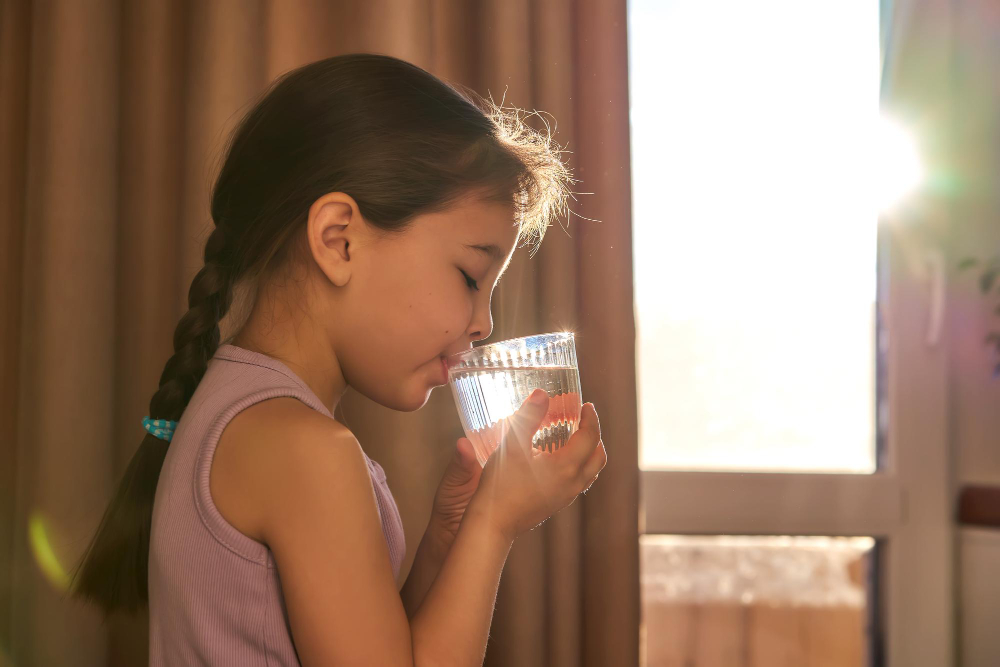
What Is Pediatric Dehydration?
Pediatric dehydration happens when a child loses more fluids than they take in. This can occur from vomiting, diarrhea, fever, or not drinking enough water. Because children have smaller bodies, they can become dehydrated quickly. Pediatric dehydration is a serious condition. Early recognition helps prevent complications and keeps your child safe. According to the CDC, dehydration is a common reason for emergency visits in children.
Why Early Detection Matters
Early detection of pediatric dehydration is very important. If you spot the signs early, you can act fast. This helps prevent serious health problems. For example, untreated dehydration can lead to kidney issues or shock. Also, children may not always say they feel thirsty. Therefore, parents must watch for warning signs. Quick action can make a big difference in recovery.
The 3 Key Signs of Pediatric Dehydration
Knowing the main signs of dehydration in children helps you act quickly. Here are the three most important signs to watch for:
These signs are common pediatric dehydration symptoms. If you notice any of them, take action right away.
When to Seek Medical Help
Sometimes, dehydration can become severe. If you see any of the following, seek medical help immediately:
According to the World Health Organization, severe dehydration needs urgent care. Do not wait if your child’s symptoms get worse.
Prevention Tips for Parents
Preventing pediatric dehydration is possible with a few simple steps. Here are some tips for parents:
By following these steps, you can help keep your child healthy and hydrated.
If you notice any signs, consult a pediatrician at Dr. Suresh Kumar Panuganti’s Clinic for personalized advice.