
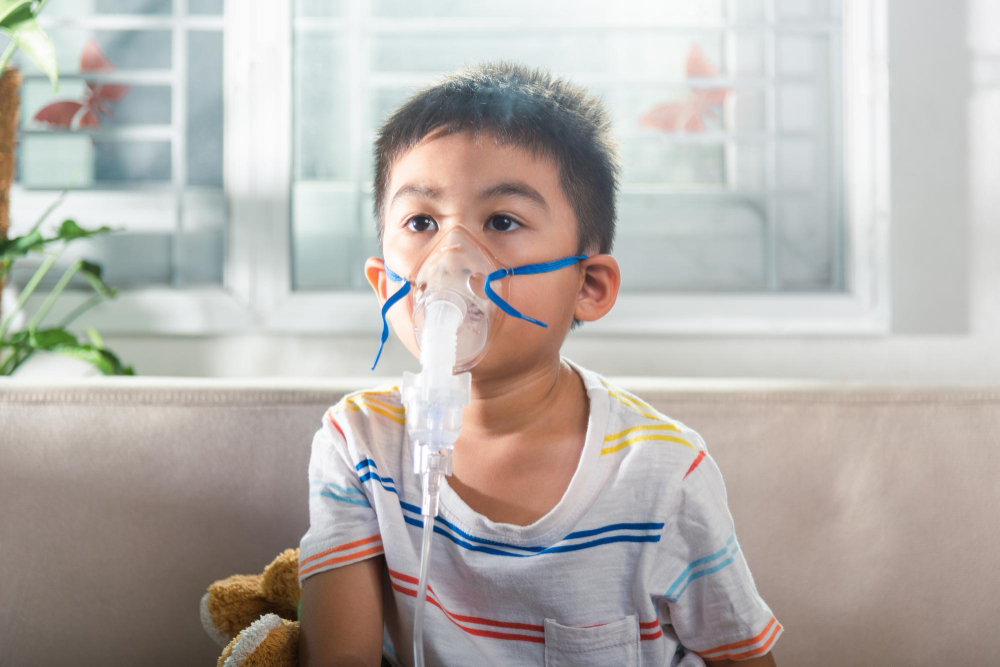
What is Bronchiolitis?
Bronchiolitis is a common lung infection in young children. It mainly affects babies under two years old. In the US, bronchiolitis often happens during the winter months. The illness causes swelling in the small airways of the lungs, making it hard for children to breathe. Because it spreads easily, many children get bronchiolitis at least once. Although most cases are mild, some children may need medical care.
Common Symptoms of Bronchiolitis
At first, bronchiolitis may look like a simple cold. However, symptoms can get worse over a few days. For example, your child may start with a runny nose and mild cough. Soon after, breathing problems may appear. Watch for these signs:
Because symptoms can change quickly, it is important to watch your child closely.
Causes and Risk Factors
Bronchiolitis is usually caused by a virus. The most common one is the respiratory syncytial virus (RSV). Other viruses, like the flu or common cold viruses, can also cause it. Children catch these viruses through droplets from coughs or sneezes. Since babies have smaller airways, they are more likely to get sick.
Some children have a higher risk of severe bronchiolitis. These risk factors include:
Because these risks can add up, it is wise to take extra care with young babies.
How Bronchiolitis is Diagnosed
Doctors usually diagnose bronchiolitis by asking about your child’s symptoms and doing a physical exam. Often, they listen to your child’s lungs with a stethoscope. In most cases, no special tests are needed. However, if your child is very sick, the doctor may order:
Because bronchiolitis can look like other illnesses, a doctor’s visit helps make the right diagnosis.
Treatment Options for Bronchiolitis
Most children with bronchiolitis get better at home. There is no cure for the virus, but care can help your child feel better. For example, you can:
Because antibiotics do not work against viruses, they are not used for bronchiolitis. In some cases, children may need to stay in the hospital. There, doctors can give oxygen or help with breathing if needed.
Home Care and Prevention Tips
While your child recovers, home care is important. For instance, you can:
To prevent bronchiolitis, try to avoid crowded places during cold and flu season. Because RSV is common, some high-risk babies may get special medicine to lower their risk. Ask your doctor if this is right for your child.
When to See a Doctor
Most cases of bronchiolitis are mild. However, you should call your doctor if your child:
Because children can get worse quickly, it is better to seek help early.
In summary, bronchiolitis in children is common but can be serious. With the right care, most children recover well. Consult Dr. Suresh Kumar Panuganti for personalized advice if your child shows symptoms of bronchiolitis.