
Introduction
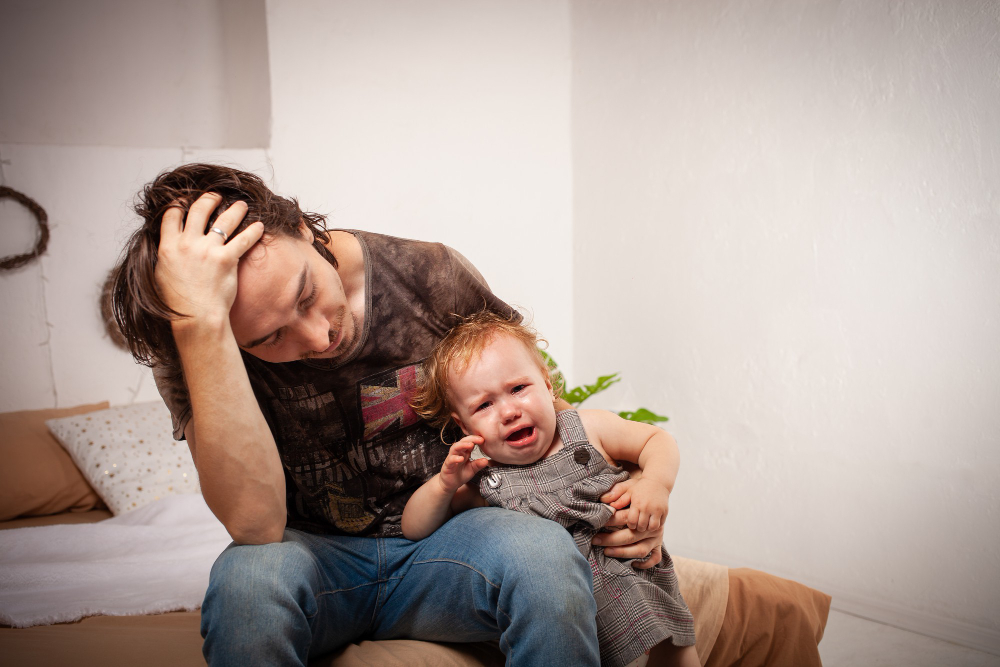
Excessive crying in children can worry any parent or caregiver. While all children cry, sometimes the crying seems too much or lasts longer than expected. In fact, excessive crying in children may signal discomfort, hunger, or even a health problem. Understanding why your child is crying excessively is important for their well-being. This blog will help you learn about the causes, symptoms, and when to seek help for a child who cries a lot.
Common Causes of Excessive Crying in Children
Many things can make a child cry more than usual. Sometimes, the reason is simple. Other times, it may be more serious. Here are some common causes:
However, if you notice your child crying at night more often, it could be due to nightmares, hunger, or discomfort.
Recognizing Symptoms and Warning Signs
Usually, crying is normal. But sometimes, it can signal a bigger problem. Therefore, watch for these warning signs:
If you see any of these symptoms, seek help right away. Early action can make a big difference.
How to Diagnose Excessive Crying
Doctors use several steps to find out why a child is crying excessively. First, they ask about the child’s health, feeding, and sleep. Next, they do a physical exam to check for signs of illness or pain. Sometimes, they may order tests, like blood work or urine tests, if they suspect an infection. In many cases, keeping a diary of when and how long your child cries can help the doctor find patterns. This information helps answer questions like, “Why is my child crying excessively?”
Effective Treatment and Soothing Strategies
There are many ways to help soothe a crying child. While every child is different, these tips often help:
For babies with colic, holding them upright after feeding and gentle tummy massages may help. However, if nothing works and your child keeps crying, talk to your doctor.
Prevention and Home Care Tips
While you cannot prevent all crying, you can reduce some causes. Here are some home care tips:
Most importantly, trust your instincts. If you feel something is wrong, seek help.
When to Seek Medical Help
Sometimes, home care is not enough. You should call your doctor if:
Early medical care can help find and treat any serious problems. Never hesitate to ask for help if you are worried.
Conclusion and Call-to-Action
In summary, excessive crying in children can have many causes. Most often, it is not serious and can be managed at home. However, you should watch for warning signs and seek help if needed. For any concerns or questions about your child’s crying, consult Dr. Suresh Kumar Panuganti for personalized guidance regarding excessive crying in children.