
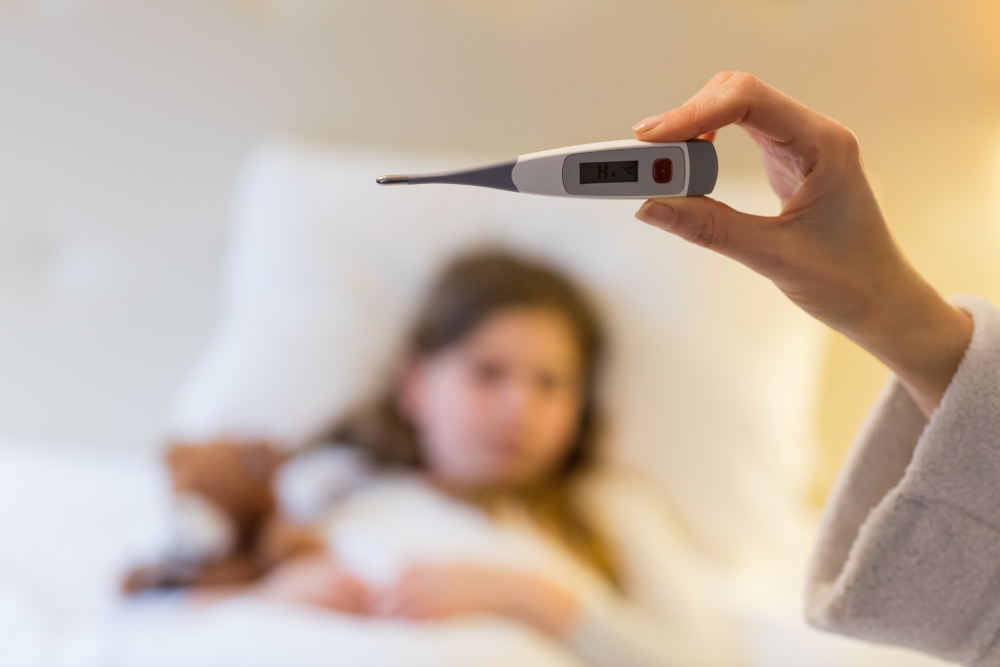
Febrile seizures are sudden convulsions that happen in young children when they have a fever. These seizures can be scary for parents, but most are not dangerous. Understanding febrile seizures helps parents know what to do and when to seek help. In this blog, we will explain what febrile seizures are, their symptoms, causes, diagnosis, and treatment options. We will also answer common questions and provide reliable resources for more information.
What Are Febrile Seizures?
Febrile seizures are convulsions triggered by a fever in children. Usually, they occur in kids between 6 months and 5 years old. Most often, these seizures happen during the first day of a fever. While they can look frightening, most febrile seizures last only a few minutes. Children with febrile seizures are otherwise healthy and do not have epilepsy. According to the CDC, about 2% to 5% of children will have at least one febrile seizure.
Symptoms of Febrile Seizures
Febrile seizures have clear signs. Knowing these symptoms helps parents act quickly. Common symptoms include:
Most febrile seizures last less than five minutes. However, some may last longer. After the seizure, children may feel tired or confused for a short time.
Causes and Risk Factors
Febrile seizures are caused by a rapid rise in body temperature. Usually, this happens when a child has a viral or bacterial infection. However, not all children with fevers will have seizures. Several risk factors can increase the chance of febrile seizures:
Even so, most children with these risk factors will not have a seizure. Genetics may play a role, as febrile seizures often run in families.
Diagnosis of Febrile Seizures
Doctors diagnose febrile seizures by reviewing the child’s medical history and symptoms. Usually, no special tests are needed if the seizure was brief and the child is healthy. However, in some cases, doctors may order tests to rule out other causes:
Parents should seek medical help if the seizure lasts more than five minutes, the child has trouble breathing, or the child does not recover quickly.
Treatment and Management
During a febrile seizure, parents should stay calm and follow these steps:
Most febrile seizures stop on their own. After the seizure, comfort your child and let them rest. If the seizure lasts longer than five minutes, call emergency services. Doctors may give medicine to stop long seizures. At home, treat the fever with acetaminophen or ibuprofen, but do not use cold baths. Always follow your doctor’s advice for fever care.
Prevention and When to See a Doctor
It is not always possible to prevent febrile seizures. However, you can lower the risk by:
See a doctor if:
Early medical care helps ensure your child’s safety and well-being.
Frequently Asked Questions
If your child experiences a febrile seizure, consult Dr. Suresh Kumar Panuganti for personalized advice and care.