What is RSV (Respiratory Syncytial Virus)?
RSV in children is a common virus that affects the lungs and breathing passages. Many children get RSV before age two. Although most cases are mild, RSV can sometimes cause serious illness, especially in babies and young children. According to the CDC, RSV is a leading cause of bronchiolitis and pneumonia in children under one year old. Because RSV spreads easily, outbreaks often happen in the fall and winter months.
Common Symptoms of RSV in Children
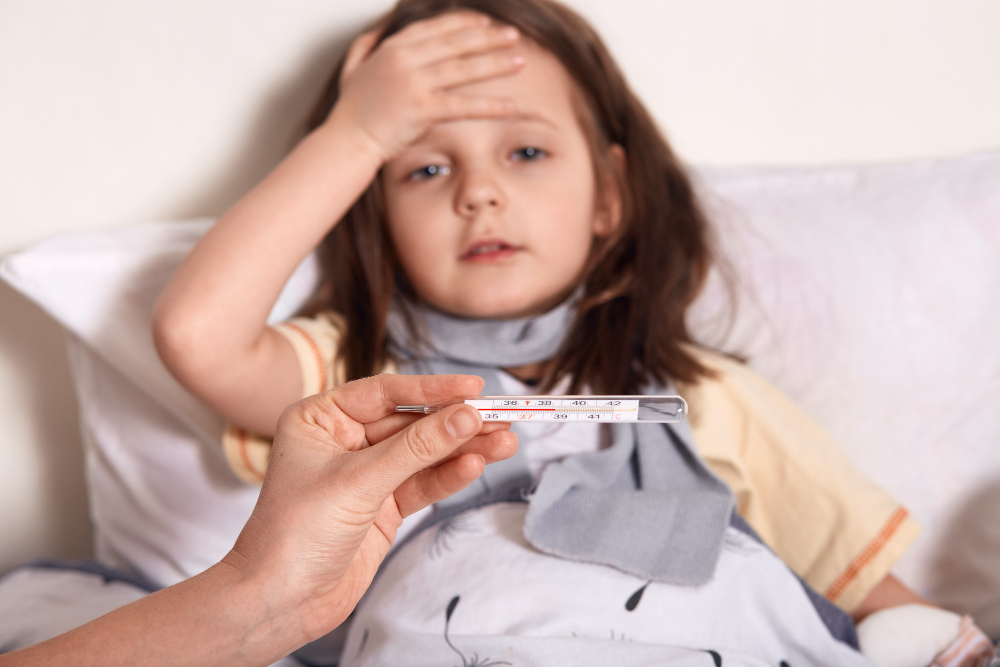
RSV symptoms in kids can look like a cold at first. However, symptoms can get worse in some children. Watch for these signs:
Sometimes, babies may show fewer signs. For example, they may be less active or have trouble feeding. If you notice these symptoms, it is important to watch your child closely.
Causes and Risk Factors
RSV spreads through droplets when an infected person coughs or sneezes. Children can also get RSV by touching surfaces with the virus and then touching their face. Because RSV is very contagious, it spreads quickly in schools and daycare centers.
Some children are at higher risk for severe RSV infection. These include:
Although most healthy children recover at home, those with risk factors may need extra care.
How RSV is Diagnosed
Doctors diagnose RSV in children by looking at symptoms and doing a physical exam. Sometimes, they may use a swab from the nose to test for the virus. In some cases, doctors may order a chest X-ray or blood tests if the child has trouble breathing or looks very sick. Early diagnosis helps guide the best treatment for your child.
Treatment Options for RSV in Children
Most children with RSV get better at home. Because RSV is a virus, antibiotics do not help. Instead, treatment focuses on easing symptoms. For example, doctors may recommend:
However, some children may need hospital care. This is more likely if they have trouble breathing or are very young. In the hospital, children may get oxygen or fluids through a vein. Always follow your doctor’s advice for RSV treatment for children.
Home Care and Lifestyle Tips
At home, you can help your child feel better with simple steps. For instance, keep your child rested and offer fluids often. In addition, use a humidifier to keep the air moist. If your child has a stuffy nose, saline drops and gentle suction can help. Also, keep your child away from smoke and sick people. Because rest is important, let your child sleep as much as needed.
Prevention Strategies for RSV
While RSV is common, you can lower your child’s risk. Try these prevention tips:
For some high-risk babies, doctors may suggest special medicine to help prevent RSV. Ask your pediatrician if this is right for your child.
When to Seek Medical Help
Although most cases are mild, RSV in children can become serious. Seek medical help if your child:
If you are unsure, it is always best to call your doctor for advice.
Conclusion
RSV in children is common, but most kids recover with home care. However, watch for signs of severe illness and follow prevention tips. Consult Dr. Suresh Kumar Panuganti for personalized advice if you suspect your child has RSV.