What is RSV (Respiratory Syncytial Virus) in Children?
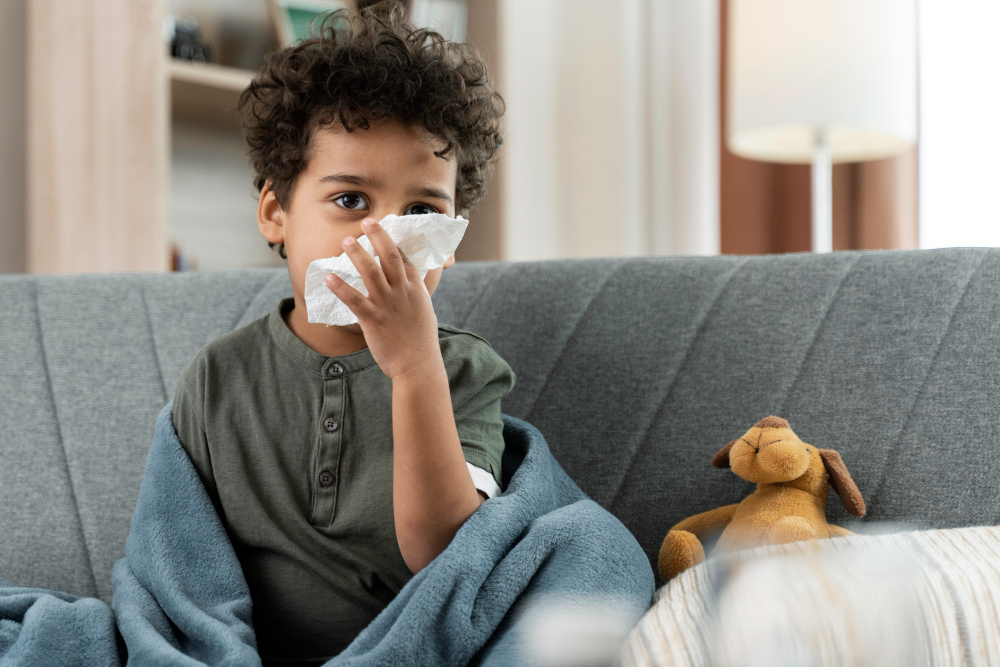
RSV in children is a common virus that affects the lungs and breathing tubes. Most children get RSV by age two. However, some kids, especially babies, can get very sick. RSV spreads easily, especially during RSV season in the US, which is usually from fall to spring. Because RSV can cause serious illness in young children, parents should know the signs and ways to protect their kids.
Common Symptoms of RSV in Children
RSV symptoms in kids often look like a cold at first. But, in some cases, symptoms can get worse. Early signs may include:
As the illness progresses, some children may develop more serious symptoms. For example, they may have:
Because RSV can lead to bronchiolitis (swelling of small airways) or pneumonia, it is important to watch for these signs.
Causes and Risk Factors
RSV spreads through droplets when someone coughs or sneezes. Children can also catch RSV by touching surfaces with the virus and then touching their face. While any child can get RSV, some are at higher risk. For instance, babies under six months, premature infants, and children with heart or lung problems are more likely to get very sick. Also, children who attend daycare or have older siblings may be exposed more often.
How RSV is Diagnosed
Doctors usually diagnose RSV in children by looking at symptoms and doing a physical exam. Sometimes, they may use a swab from the nose to test for the virus. In rare cases, a doctor may order a chest X-ray or blood test if the child is very sick. However, most of the time, a simple exam is enough to confirm RSV.
Treatment Options for RSV in Children
Most children with RSV get better at home. Because RSV is a virus, antibiotics do not help. Instead, treatment focuses on easing symptoms. Parents can try the following:
In some cases, children may need to stay in the hospital. This is more common for babies or kids with trouble breathing. At the hospital, doctors may give oxygen or fluids through a vein.
Prevention Tips for Families
While it is hard to avoid RSV completely, families can take steps to lower the risk. For example:
During RSV season in the US, parents should be extra careful. For some high-risk babies, doctors may suggest special medicine to help prevent RSV.
When to Seek Medical Help
Most children recover from RSV without problems. However, some signs mean you should call a doctor right away. For instance, seek help if your child:
Because RSV can get worse quickly, it is always better to ask a pediatrician if you are worried.
Conclusion
To sum up, RSV in children is common but can be serious, especially for babies. Knowing the symptoms, causes, and ways to prevent RSV helps keep your child safe. If your child shows signs of RSV, consult Dr. Suresh Kumar Panuganti for personalized advice and care.