
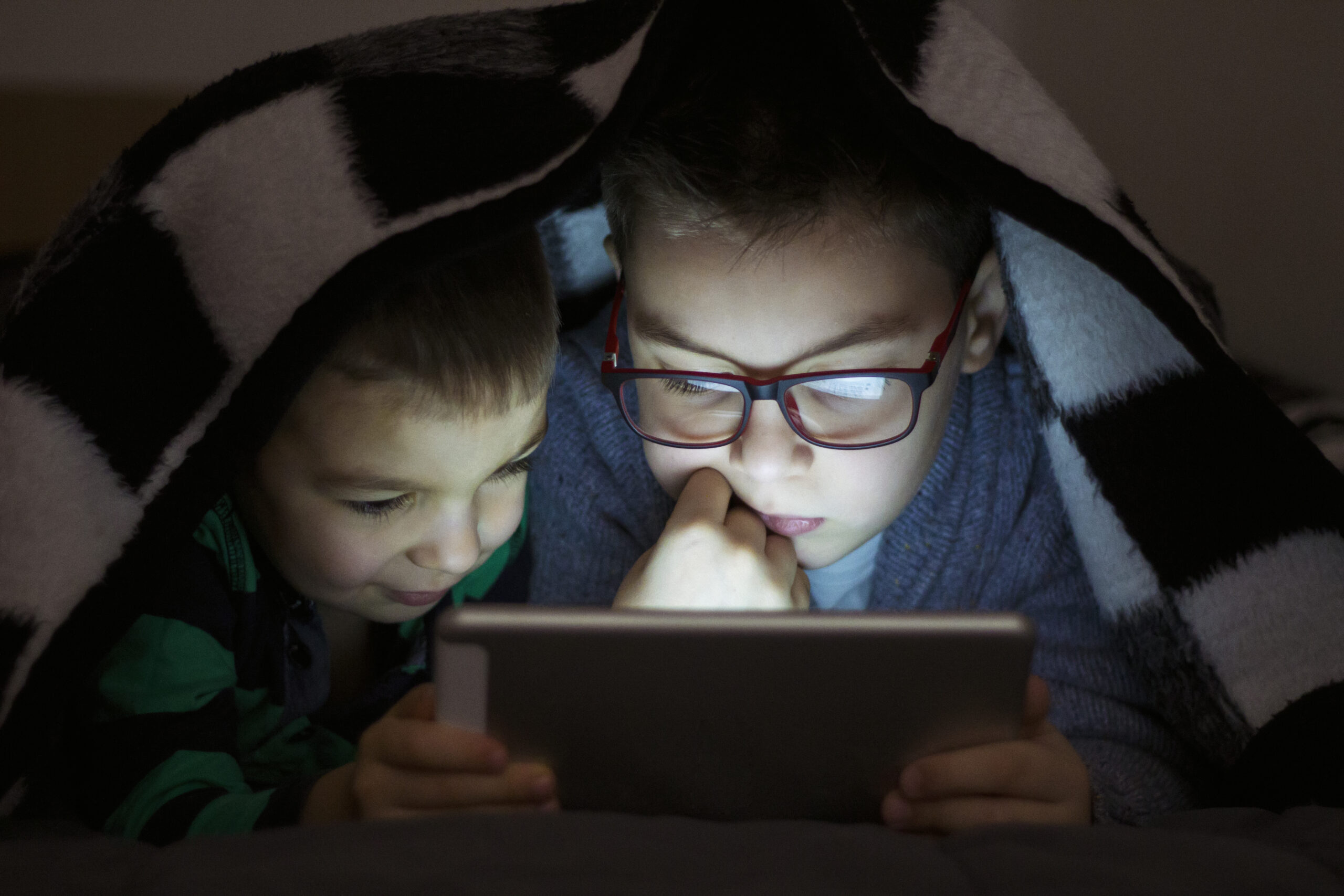
Introduction: Why Screen Deaddiction Matters for Kids
Today, many parents worry about their children’s screen time. Screen deaddiction tips for kids are more important than ever. Screen deaddiction means helping children use screens less and in healthier ways. Too much screen time can affect sleep, learning, and mood. Therefore, it is important to help kids build healthy screen habits. The World Health Organization (WHO) and the American Academy of Pediatrics both recommend limits on screen use for children. With the right steps, parents can guide their kids toward a balanced life.
Signs and Symptoms of Screen Addiction in Kids
It is not always easy to spot screen addiction. However, some signs may help you notice a problem early. For example, children may:
Because these signs can be subtle, it is important to watch for changes in your child’s behavior.
Causes: Why Do Children Develop Screen Addiction?
Many factors can lead to screen addiction in children. For instance, screens offer instant fun and rewards. Games and videos are designed to keep kids watching or playing. In addition, children may use screens to escape boredom or stress. Sometimes, parents may use screens to calm their kids or keep them busy. As a result, children may rely on screens more than other activities. Peer pressure and easy access to devices also play a role.
Diagnosis: How to Recognize Problematic Screen Use
Parents and pediatricians can work together to spot unhealthy screen habits. First, track how much time your child spends on screens each day. Next, notice if screen use affects sleep, school, or relationships. Pediatricians may ask about your child’s daily routine and mood. They may also use simple checklists or questions to assess screen habits. If screen time is causing problems, it may be time to take action. Early recognition can help prevent more serious issues.
Practical Tips: How to Reduce Screen Time and Build Healthy Habits
Reducing screen time in children can be challenging. However, small changes can make a big difference. Try these evidence-based tips:
Because every child is different, it may take time to find what works best for your family.
Prevention: Strategies to Prevent Screen Addiction
Preventing screen addiction is easier than treating it. For example, start healthy screen habits early. Set rules before problems begin. In addition, talk with your child about why limits are important. Encourage open conversations about screen use. Make sure your child has access to books, toys, and outdoor play. By staying involved, you can help your child make better choices.
Lifestyle Guidance: Alternatives and Family Routines
Building a balanced lifestyle helps reduce screen time. For instance, try these ideas:
Because routines help children feel secure, stick to your family’s plan as much as possible.
When to Seek Help: Consulting a Pediatrician or Specialist
Sometimes, screen addiction can be hard to manage alone. If your child’s screen use causes serious problems at home or school, it is time to seek help. For example, if your child becomes withdrawn, anxious, or depressed, consult a pediatrician. A doctor can offer personalized advice and may suggest seeing a specialist. Early support can prevent long-term issues and help your child thrive.
For personalized guidance on screen deaddiction for your child, consult Dr Suresh Kumar Panuganti.