Introduction to Childhood Obesity
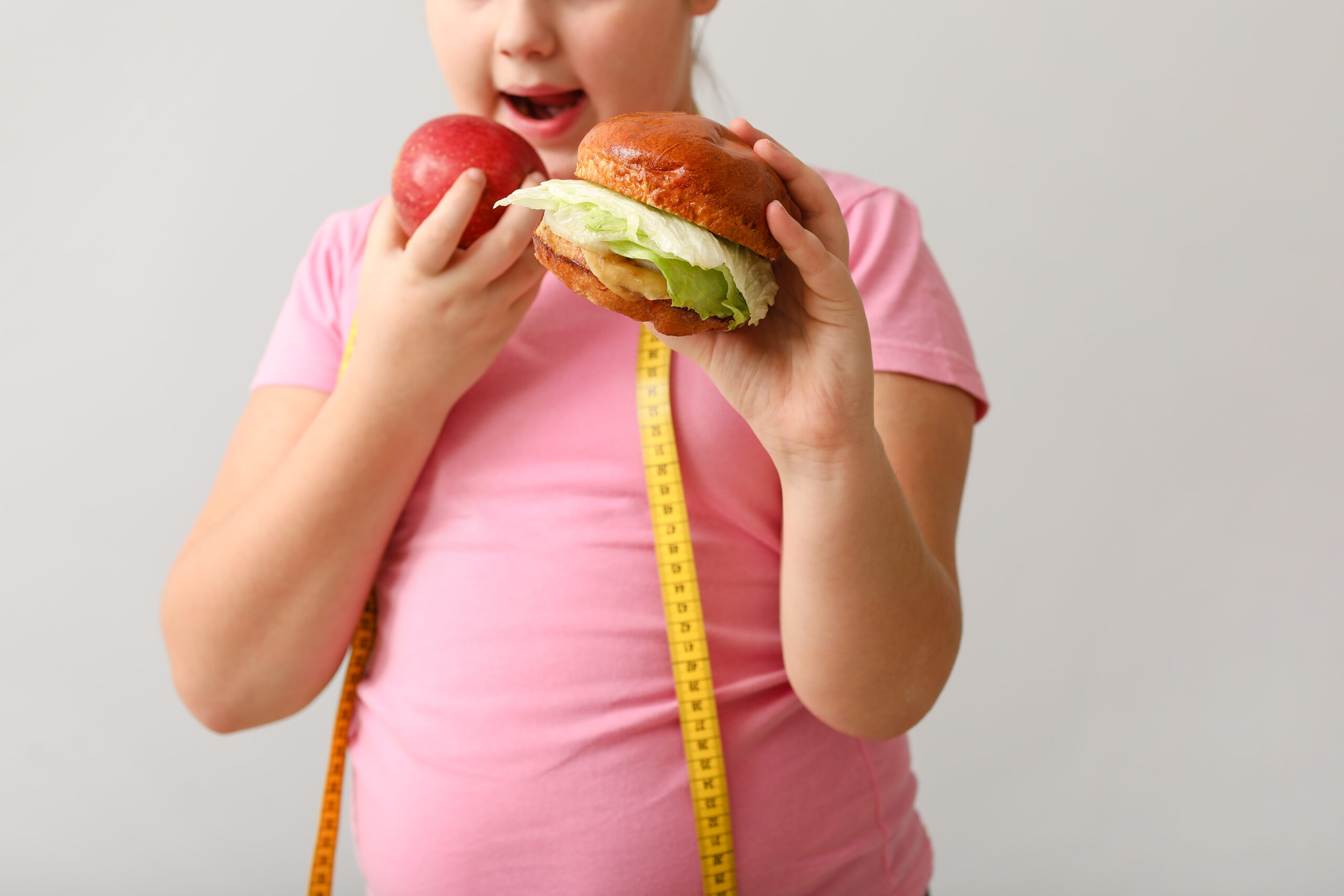
Childhood obesity is a growing concern in many countries, including the United States. It means a child has too much body fat for their age and height. Because childhood obesity can lead to serious health problems, it is important for parents to understand the dangers. Early action can help protect your child’s health and well-being.
Health Risks Associated with Childhood Obesity
Obesity in children can cause many health issues. For example, it may lead to problems that once only affected adults. Some of the main health risks of childhood obesity include:
Type 2 Diabetes: Children with obesity are more likely to develop this condition, which affects how the body uses sugar.
High Blood Pressure: Extra weight can make the heart work harder, raising blood pressure.
High Cholesterol: Obesity can cause unhealthy cholesterol levels, increasing heart disease risk.
Breathing Problems: Conditions like asthma and sleep apnea are more common in children with obesity.
Joint Pain: Carrying extra weight can strain growing bones and joints.
Emotional Issues: Children may face bullying, low self-esteem, or depression due to their weight.
Because these risks can affect a child’s future, early prevention is key.
Warning Signs and Symptoms
It is not always easy to spot childhood obesity. However, there are warning signs parents can watch for. For instance, you may notice:
Rapid weight gain compared to other children of the same age
Clothes becoming tight or not fitting well
Shortness of breath during simple activities
Frequent tiredness or trouble sleeping
Complaints of joint or back pain
Low confidence or avoiding social situations
If you see these signs, it may be time to talk to your child’s doctor.
Causes and Contributing Factors
Many things can lead to childhood obesity. Often, it is a mix of several factors. Some common causes include:
Poor Diet: Eating foods high in sugar, fat, or calories can cause weight gain.
Lack of Physical Activity: Children who spend more time on screens and less time moving are at higher risk.
Family History: If parents or siblings are overweight, a child is more likely to be affected.
Emotional Factors: Some children eat more when they are stressed, bored, or sad.
Environment: Easy access to unhealthy foods and fewer safe places to play can make it harder to stay healthy.
Because these factors often work together, making small changes can help prevent obesity.
Prevention Strategies for Parents and Caregivers
Parents and caregivers play a big role in preventing obesity in children. Here are some simple steps you can take:
Encourage Healthy Eating: Offer fruits, vegetables, whole grains, and lean proteins at meals.
Limit Sugary Drinks: Choose water or milk instead of soda or juice.
Promote Physical Activity: Aim for at least 60 minutes of active play each day.
Limit Screen Time: Keep TV, computer, and phone use to under two hours a day.
Set a Good Example: Children often copy their parents’ habits, so make healthy choices together.
Eat Meals as a Family: Shared meals can help children learn healthy eating habits.
Because small changes can make a big difference, start with one or two steps and build from there.
When to Seek Medical Advice
If you are worried about your child’s weight, it is important to talk to a doctor. For example, you should seek help if:
Your child’s weight gain is rapid or ongoing
There are signs of health problems, like trouble breathing or high blood pressure
Your child feels sad or withdrawn because of their weight
Because early support can prevent future health issues, do not wait to ask for advice.
Conclusion and Call-to-Action
Childhood obesity is a serious health issue, but parents and caregivers can take steps to prevent it through healthy choices at home. If you notice warning signs or have concerns, consult Dr Suresh Kumar Panuganti for personalized guidance on childhood obesity prevention and care.