
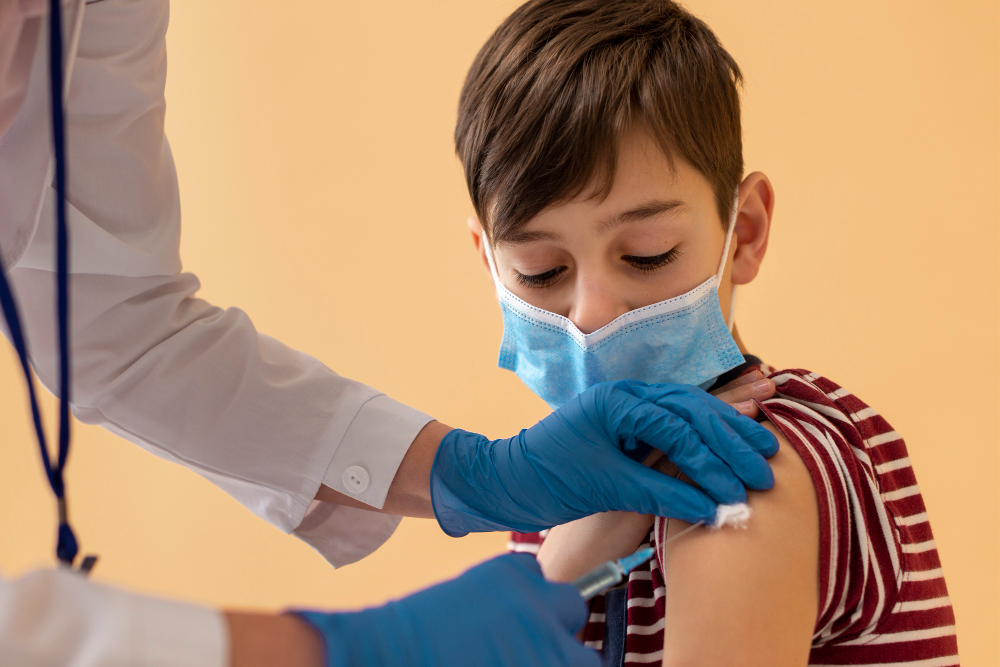
Introduction: Why Childhood Vaccination Matters
Vaccination in children is one of the best ways to protect young lives. Vaccines help prevent many serious diseases. Because children’s immune systems are still growing, they need extra protection. In fact, vaccines have saved millions of lives worldwide. For parents and caregivers, understanding childhood vaccination is key. It helps you make safe choices for your child’s health.
Common Vaccine-Preventable Diseases in Children
Many diseases can be prevented with vaccines. Some of the most common include:
Because these diseases can spread easily, vaccination in children is very important. Not only does it protect your child, but it also helps keep the whole community safe.
Recommended Vaccination Schedule for Children
Following the vaccine schedule for children is important. Health experts like the CDC and WHO update these schedules often. In the United States, most children get vaccines at certain ages. For example:
Because schedules may change, always check with your child’s doctor. They can give you the latest advice for your area.
How Vaccines Work in Children
Vaccines help the body build protection. They use tiny, safe parts of germs to teach the immune system. As a result, if your child meets the real germ later, their body can fight it off. This means your child is less likely to get sick. In addition, vaccines do not cause the diseases they prevent.
Safety and Side Effects of Childhood Vaccines
Many parents ask, “Are vaccines safe for kids?” The answer is yes. Before approval, vaccines go through many tests. Health experts watch for side effects even after vaccines are in use. Most children have mild side effects, such as:
Serious side effects are very rare. However, if you notice anything unusual, call your doctor right away. Because safety is a top priority, experts like the CDC and WHO review vaccine data often.
Myths and Facts About Vaccination in Children
There are many myths about childhood vaccination. Let’s look at some facts:
Because of these facts, health experts strongly support vaccination in children.
Tips for Parents: Preparing Children for Vaccination
Getting shots can be stressful for kids. Here are some tips to help:
Because preparation helps, your child may feel less scared.
Prevention and Community Benefits
When many children get vaccinated, diseases have less chance to spread. This is called herd immunity. As a result, even those who cannot get vaccines, like some babies or sick children, are protected. In addition, vaccination in children helps keep schools and communities healthy.
Conclusion: Protect Your Child’s Health
In summary, vaccination in children is safe, effective, and vital. It protects your child from many serious diseases. It also helps keep your community healthy. For the best advice, consult your pediatrician Dr Suresh Kumar Panuganti for personalized vaccination guidance for your child.